Whether you’re launching a new platform, upgrading your technology, or changing hosting providers, using a reliable website migration service is essential for maintaining your website’s performance and search rankings. Businesses large and small face the need to migrate their websites at some point, but the process can be risky without proper planning and expertise.
If not handled carefully, a migration can lead to downtime, broken links, lost data, and significant drops in search rankings. That’s why businesses often turn to experts who understand the complexities of moving a website safely and efficiently.
This comprehensive guide explains what a website migration service is, why it’s so crucial, and how to choose the best option for your needs. We’ll also explore what a website migration specialist does, share insights from the website migration checklist, and discuss how website transfer service providers ensure a smooth transition.
What Is a Website Migration Service?
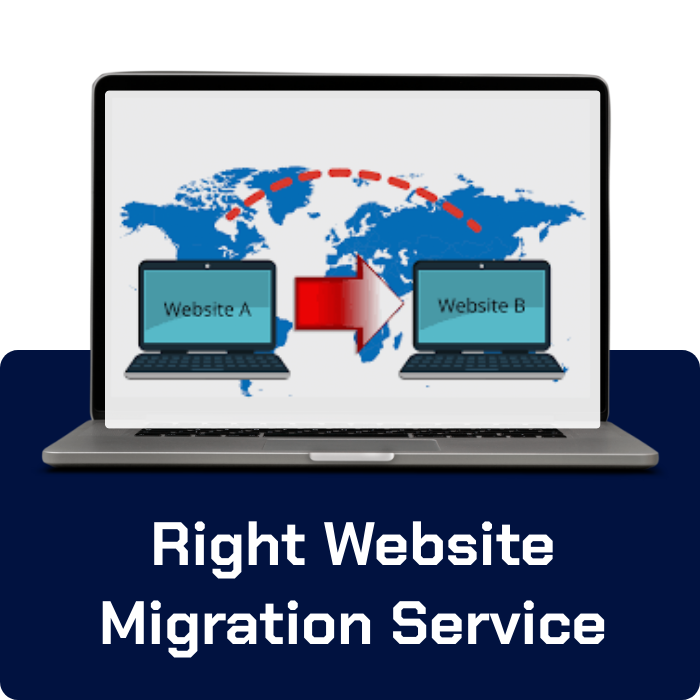
A website migration service involves moving a website from one environment to another. This could mean transferring your site to a new hosting provider, switching CMS platforms, updating URL structures, or moving to secure HTTPS protocols.
Key types of website migration include:
- Domain name changes
- Hosting platform migrations
- CMS platform migrations (e.g., WordPress to Shopify)
- Structural changes like new URLs or redesigns
- Protocol migrations from HTTP to HTTPS
Using a professional website migration service reduces the risk of errors that could disrupt your website’s operation or harm your SEO performance.

Why Professional Website Migration Services Matter
Many businesses think migration is as simple as moving files. But a proper migration involves dozens of technical details. Even a small mistake can create significant issues, such as:
- Broken internal links
- Missing pages or assets
- Loss of search rankings due to improper redirects
- Website downtime, harming user trust
- Loss of valuable SEO metadata
A professional website migration service handles these challenges by following proven processes and thorough testing. They protect your data, preserve your SEO rankings, and ensure minimal disruption to your users.
Signs You Need the Best Website Migration Service
Here are common scenarios where hiring the best website migration service makes sense:
Switching Hosting Providers
Your current host might not provide the speed, support, or security you need. Migrating to a better host can boost website performance.
Changing CMS Platforms
Businesses sometimes move from one content management system to another for better features, scalability, or security.
Rebranding Your Business
If you’re changing your domain name as part of a rebrand, a migration specialist ensures proper redirects to avoid losing SEO authority.
Improving Site Security
Migrating from HTTP to HTTPS is crucial for security and Google rankings.
Website Redesign
A redesign often changes URLs, page structures, and content, making careful migration essential.
In any of these cases, a website migration specialist ensures the process is handled professionally.
What Does a Website Migration Specialist Do?
A website migration specialist manages all technical and strategic aspects of moving a website. Their expertise covers:
- Planning and scoping the migration
- Auditing the existing website for pages, URLs, and SEO data
- Developing a comprehensive website migration checklist
- Setting up redirects to maintain SEO rankings
- Testing the new site for errors
- Monitoring traffic and performance post-launch
A specialist combines technical skills with SEO knowledge, ensuring your new website launches successfully without losing organic visibility or traffic.
Website Transfer Service vs. Website Migration Service
While the terms “website transfer service” and “website migration service” are often used interchangeably, there are subtle differences.
- A website transfer service focuses on moving website files and databases from one server to another, usually when changing hosting providers.
- A website migration service covers more extensive changes, such as platform switches, domain changes, or structural updates. It includes planning for SEO, content mapping, and user experience.
If your changes involve more than just switching servers, you’ll likely need a website migration service rather than a basic transfer.
How to Choose the Best Website Migration Service
With many providers in the market, how do you choose the best website migration service for your business? Consider these factors:
Experience and Specialization
Look for specialists who’ve handled similar projects in your industry. Complex migrations like e-commerce platforms require deep technical expertise.
SEO Expertise
Your provider should understand how website migration affects SEO. They must be able to implement redirects, preserve metadata, and maintain search rankings.
Proven Process
Ask about their process and tools. A solid website migration specialist should have a documented website migration checklist and step-by-step plans.
Communication
Migration projects involve multiple teams. Choose a provider who communicates clearly, explains technical details, and keeps you updated.
Post-Migration Support
Good services include monitoring and support after launch to address issues quickly.
Reviews and Case Studies
Check client reviews and website migration case studies. These show how the provider handled challenges and achieved successful results.
Website Migration Checklist: Key Steps to Follow
A successful website migration follows a thorough checklist. Here’s an overview of what a solid website migration checklist should include:
Pre-Migration Audit
- Crawl the current website to capture URL structures
- Document high-performing pages and keywords
- Review backlinks to important pages
- Check current traffic and analytics
Planning and Mapping
- Plan new URL structures
- Prepare 301 redirect mappings
- Update internal links
- Develop a timeline for minimal downtime
Content Review
- Audit existing content for relevance
- Plan updates or removals of outdated pages
- Ensure new pages meet SEO standards
Technical Preparation
- Backup all files and databases
- Test the new environment
- Implement SSL certificates if moving to HTTPS
Migration Execution
- Move files and databases
- Apply redirects
- Update DNS records
- Test site functionality on the new platform
Post-Migration Checks
- Crawl the new website for errors
- Check for missing pages or broken links
- Verify redirects are working
- Monitor analytics for traffic changes
Following a website migration checklist is critical to avoiding traffic loss and ensuring a smooth transition.
Common Challenges During Website Migration
Even with careful planning, website migration can present challenges, including:
- Broken internal links due to missed URL changes
- Slow DNS propagation causing temporary outages
- Missing images or resources on the new server
- Loss of SEO rankings from failed redirects
- Inconsistent user experience across devices
Hiring a skilled website migration specialist reduces these risks and ensures rapid issue resolution.
Website Migration and SEO: Why It’s Critical
A poorly handled migration can devastate search rankings. SEO considerations in website migration include:
- Preserving URL structures where possible
- Creating comprehensive redirect maps
- Retaining meta titles, descriptions, and structured data
- Updating sitemaps and submitting them to search engines
- Monitoring ranking changes post-migration
Failing to handle these details can result in dramatic traffic losses and long-term business impacts.
How Website Migration Specialists Mitigate Risks
Website migration specialists mitigate risks through:
- Detailed pre-migration planning
- Comprehensive testing in staging environments
- Proactive SEO measures
- Close post-launch monitoring
- Quick response to unexpected issues
They ensure your website migration doesn’t turn into a business crisis.

Costs of a Website Migration Service
Pricing varies based on factors like:
- Website size and complexity
- Platform or CMS changes
- Amount of custom development
- SEO work required
- Urgency of the migration
Small website transfers may cost a few hundred dollars, while complex e-commerce migrations can run into thousands. Investing in the best website migration service protects you from costly mistakes.
Website Migration Service: Success Story Example
Consider this example of a successful website migration:
A medium-sized e-commerce brand wanted to move from Magento to Shopify. They engaged a website migration specialist who followed a detailed website migration checklist. After a careful content audit and redirect mapping, they completed the migration without significant traffic loss. Post-launch, the new site loaded 40% faster and saw a 25% increase in conversion rates.
This example shows how working with professionals can transform challenges into growth opportunities.
Conclusion: Partner with the Right Website Migration Service
Website migration is a high-stakes project. Whether you’re changing platforms, updating domains, or switching hosts, working with a professional website migration service ensures a smooth transition without sacrificing performance, user experience, or SEO rankings.
Don’t risk your business by attempting a migration alone. Partner with the best website migration service, follow a thorough website migration checklist, and trust a skilled website migration specialist to safeguard your digital presence.
Ready to take the next step? Start by researching providers, reviewing website transfer service options, and ensuring your website migration project sets your business up for long-term success.